The City Is One of the Worst Places in Switzerland to Have Hay Fever Right Now

The city's unique mix of urban geography and decades of planning decisions has created a perfect storm for pollen sufferers.
If you have spent the past few weeks reaching for tissues more than usual, you are not imagining it. Hay fever season has landed with unusual force this spring, and Zürich sits near the top of Switzerland's pollen misery index. A birch "mast year" — a natural cycle in which trees produce an exceptional volume of catkins — is the immediate culprit, flooding the city's air with concentrations well above typical seasonal levels. Longer term, pollen seasons have been starting progressively earlier as milder winters push flowering forward, and air pollution is making pollen grains more aggressive and urban airways more reactive.
What makes Zürich specifically worse than alpine regions is a combination of urban geography and, surprisingly, decades of planting decisions. Fine particulate matter binds to pollen and drives it deeper into the lungs, ozone makes airways more permeable to allergens, and the heat island effect traps pollutants rather than letting them disperse. Adding to this is what specialists call "botanical sexism" — for decades, city planners across Europe preferentially planted male trees to avoid the mess of falling fruit and seeds. Since only male trees produce pollen, the cumulative result is a city peppered with concentrated hotspots of unusually high airborne pollen.
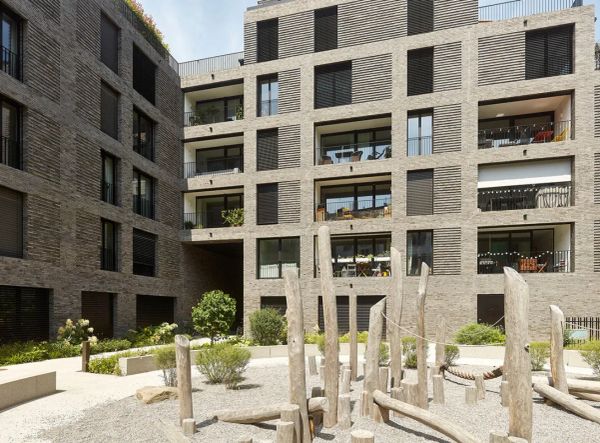
Zürich's recent push toward urban greening — a visible feature of the city over the past decade — is not itself the problem. Species selection is what matters: allergenic trees such as birch, alder and hazel, if planted at scale, can cancel out the benefits of greening entirely. The city says it now factors this into its planting decisions, though given that around one in five people in Switzerland already suffers from hay fever — up from under one percent a century ago — the pressure to get it right is only growing.
For those looking for relief in the short term, keeping outdoor clothes out of the bedroom, washing hair before sleep and changing pillowcases frequently all help limit overnight exposure. It is also worth knowing that grass pollen — responsible for roughly 70 percent of all hay fever reactions — peaks between June and July. For many Zürich residents, the worst of the season is still ahead.